

Why does my beer taste different on draught vs. from a can vs. from a bottle?
And why it matters more for some beers than others

You’ve probably noticed it. A pint of something at your local tastes nothing like the same beer cracked open from the fridge at home. Same brand, same recipe yet somehow, it’s a completely different experience. You’re not imagining it. The container isn’t just packaging. It’s an active part of how the beer reaches your palate.
Let me break down exactly why and what it means for lager, IPA, ale, and stout specifically.
The science behind the container
Before we get into specific styles, it helps to understand the three forces that packaging affects: carbonation, oxygen exposure, and light.
These three variables don’t just tweak the edges of a beer’s flavour. In some cases, they determine whether you’re drinking the beer the brewer intended, or a pale shadow of it.
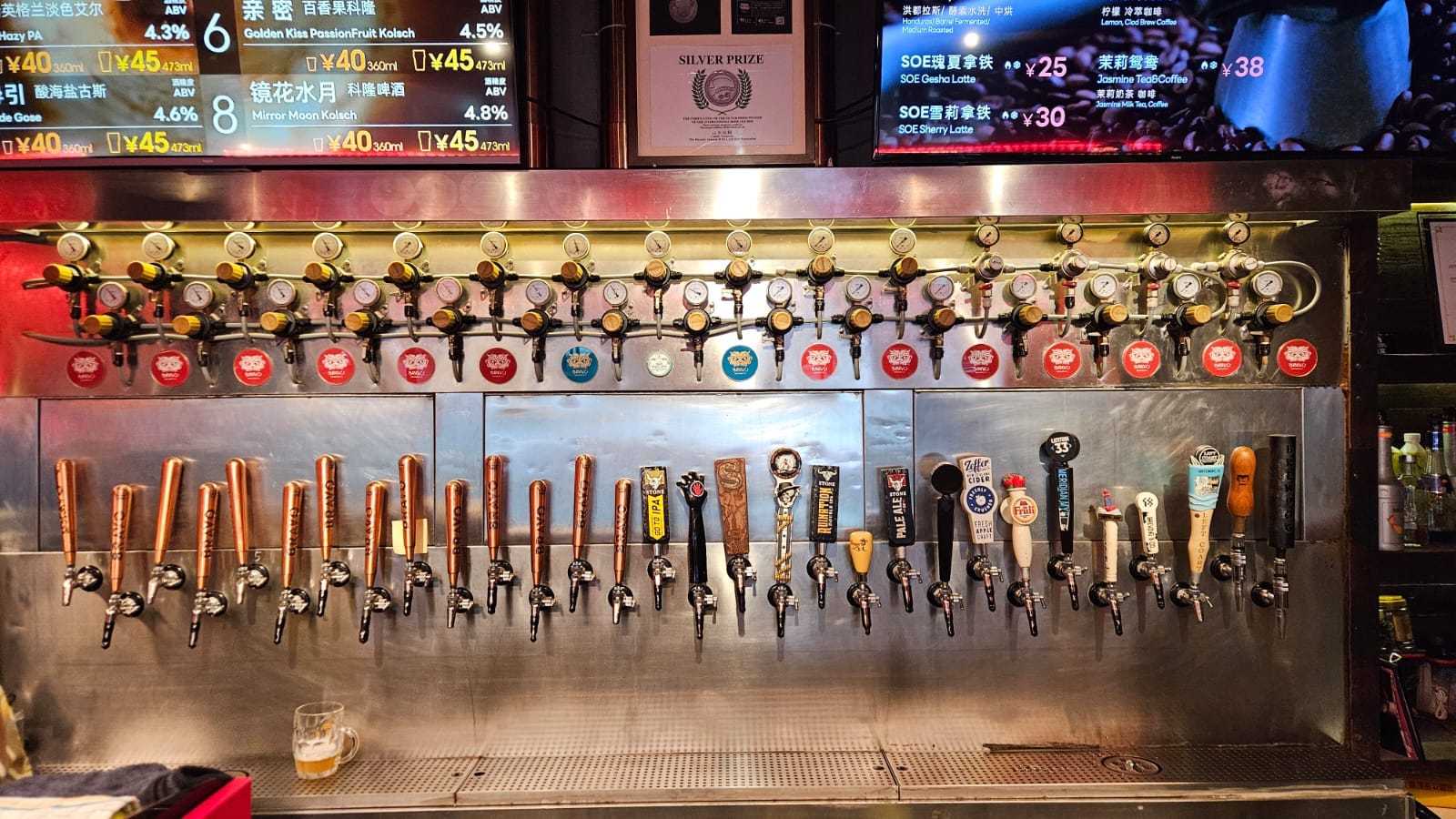
Draught: The pub standard (for a good reason)
Draught beer is served from a pressurised keg, and the gas used to push it from keg to tap is doing more work than most people realise. For the majority of lagers and ales, that gas is CO₂, which maintains carbonation right up to the point of pouring. For creamy, nitrogen-driven beers like Guinness, it’s a blend typically 75% nitrogen and 25% CO₂.
The result is a beer that hasn’t sat on a shelf under fluorescent lighting, hasn’t been pasteurised into submission (in the case of cask ale), and is served fresh at cellar temperature, ideally around 12°C. That combination of freshness, correct carbonation, and temperature control is why draught almost always wins on taste. The beer simply hasn’t had time to deteriorate. (in theory…)
There’s also the pour itself. The act of pulling a pint: the agitation, the head formation, the release of aroma is part of the sensory experience. That’s not nostalgia talking. Aroma is a huge component of perceived flavour, and a proper draught pour releases volatile compounds that a slow sip from a can simply doesn’t.
Cans: the surprising science behind why they’re better than you think
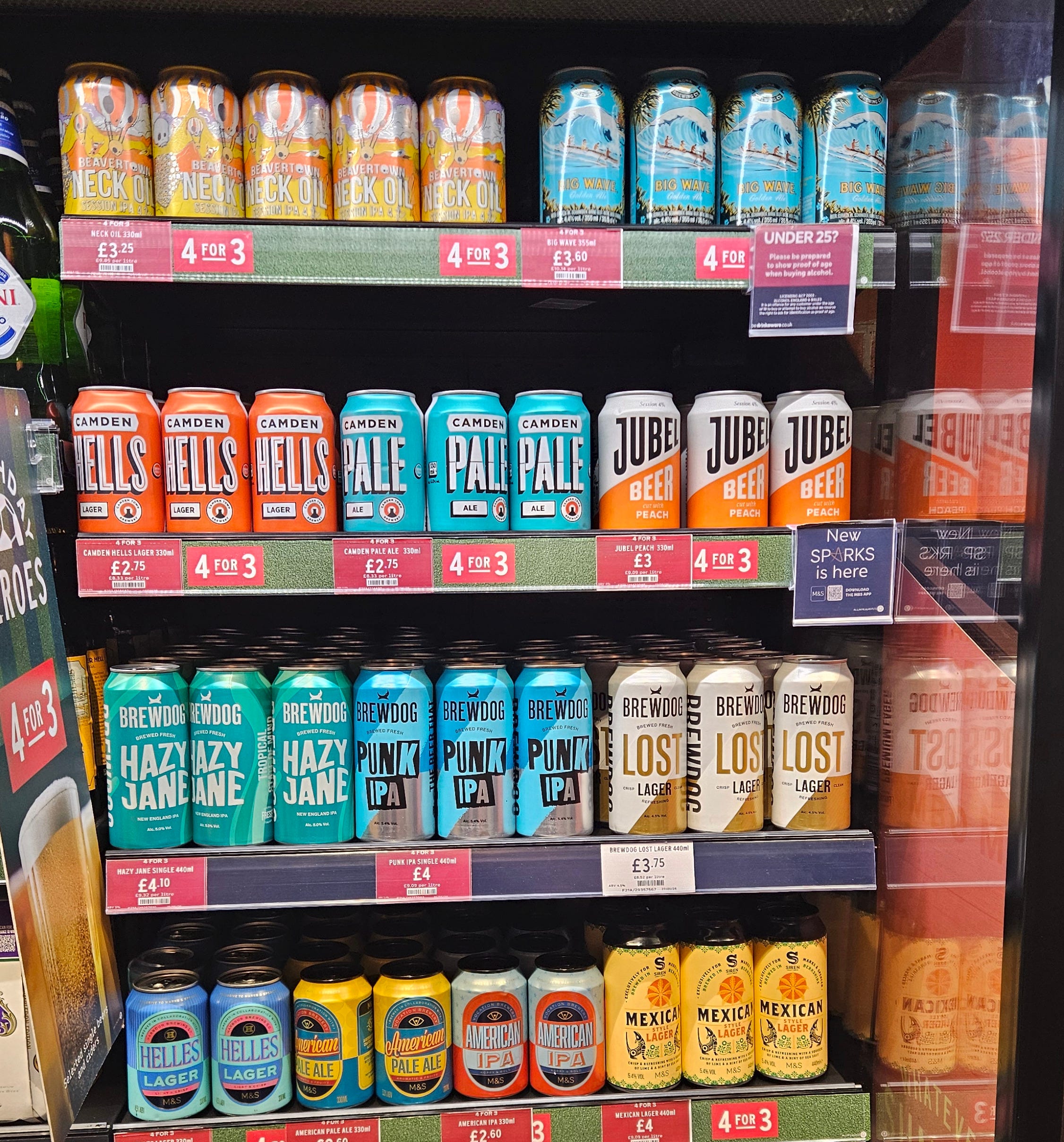
Cans have had a reputation problem. For decades, drinkers associated them with cheap lager and picnics in the park. But from a pure science perspective, a can is one of the best vessels for preserving beer.
Here’s why: cans are completely opaque (no light gets in), and they seal so tightly that oxygen ingress the main cause of staling is minimal. That makes cans significantly better than bottles for long-term freshness. The old metallic taste that put people off was a real issue with older tin linings, but modern cans use food-grade polymer coatings that are essentially flavour-neutral.
The remaining weakness is carbonation. Because cans rely on forced CO₂ carbonation rather than the dynamic gas management of a keg system, the mouthfeel can feel sharper or less refined than draught especially if the carbonation isn’t dialled in precisely. Over-carbonation causes harsh mouthfeel and excessive foam on opening. Under-carbonation gives you a flat, lifeless pint. The sweet spot is narrow.
Some breweries now use nitrogen widgets in cans, a small plastic devices that release nitrogen gas on opening, replicating the smooth, creamy draught experience at home. Guinness pioneered this with their draught can, and it’s genuinely clever engineering.
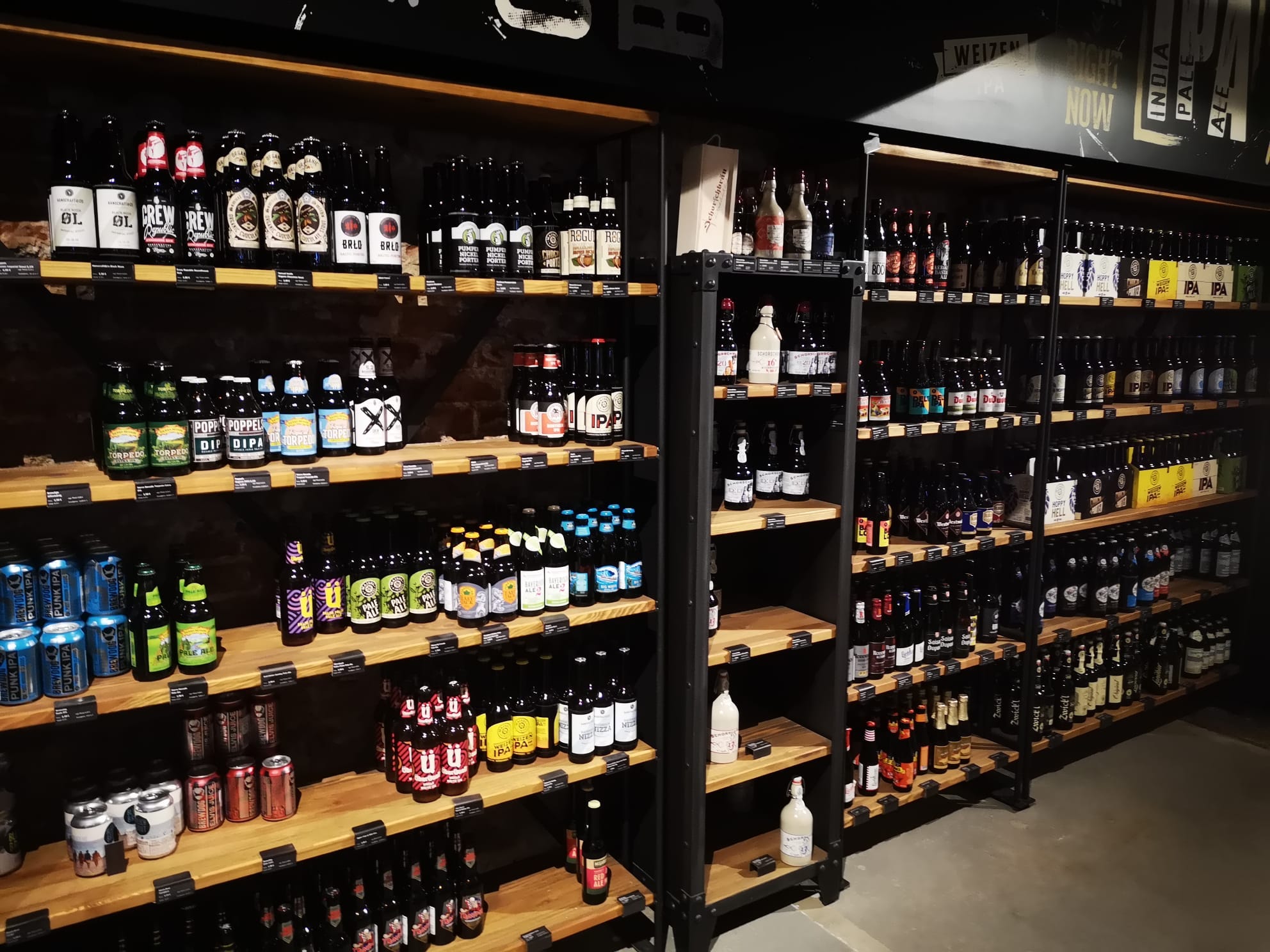
Bottles: beautiful, but flawed
Bottles are where things get complicated. Glass has zero oxygen barrier. Even a perfectly sealed bottle allows microscopic oxygen transmission over time, which is why bottle-conditioned beers have a shelf life that cans beat comfortably.
The bigger problem is light. UV and visible light cause a photochemical reaction with hop compounds producing a sulphur-based compound called 3-methyl-2-butene-1-thiol, which smells unmistakably like a skunk. This is where the term “skunked beer” comes from, and it’s not a myth. Clear bottles offer no UV protection, green bottles offer almost no protection and brown bottles are better, but still imperfect. This is why 8 out of 10 beer bottles are brown.
There’s a reason most serious craft breweries have shifted to cans or brown bottles for their hop-forward beers. A bottle of IPA left in a shop window for two weeks is a genuinely different and worse product than the same IPA in a can.
Bottles do have one genuine advantage: bottle conditioning. When a brewer adds a small amount of yeast and sugar before sealing, a secondary fermentation happens inside the bottle, producing natural CO₂ and leaving live yeast. This can add tremendous complexity, think Belgian Trappist ales, or a bottle-conditioned British bitter. That nuance is impossible in a can.
It’s not just chemistry… it’s You
Here’s something the science alone doesn’t capture: the same beer tastes better when you’re having a good time. This isn’t a romantic notion it’s a well-documented psychology.
Research into multisensory flavour perception consistently shows that environment, emotion, and expectation shape what we taste just as powerfully as the liquid in the glass. A 2008 study by Professor Charles Spence at Oxford demonstrated that background music its tempo, pitch, and volume can measurably alter the perceived bitterness and sweetness of a drink, without changing the drink at all. (see article: From Beethoven to Bieber)

The brain doesn’t process taste in isolation. It assembles flavour from everything happening around you: the noise of the pub, the weight of the glass, the company you’re keeping, the anticipation built by watching a pint being pulled.
This is why that first pint on a Friday evening after a difficult week tastes transcendent, while the same beer on a Tuesday night in front of the television tastes entirely ordinary. The beer hasn’t changed. Your emotional state has and your brain has adjusted its sensory processing accordingly.
Glassware plays into this too. Studies show that drinking from a curved glass, a handled mug, or a tulip versus a straight shaker pint changes pace, temperature retention, and aroma concentration all of which feed back into perceived quality. Drinking from a can or bottle bypasses much of this. There’s no head to nose into, no visual colour to read, no glass weight in the hand. These are small things, but they compound. The pub doesn’t just serve you better beer. It serves beer in a better context and your brain rewards that with a richer experience.
So when someone tells you a pint at the pub just hits differently, they’re not being sentimental. They’re being neurologically accurate.
How the main styles are affected
Lager
Lager is cold-fermented using bottom-fermenting yeast (Saccharomyces pastorianus), producing that clean, crisp, low-ester profile lagers are known for. Because its flavour is delicate and subtle, it’s also the most sensitive to packaging damage.
A poorly stored lager in a green or clear bottle, sitting under lights, will skunk faster than almost any other style. It will also generate a slight haze in your glass. Draught lager, served cold and carbonated with CO₂, is very close to what the brewer intended. Cans are the second-best option at home the light protection and freshness preservation suit lager well.
Best format: Draught (pub). Cans (home).
IPA
IPA is the format question everyone argues about, and for good reason. Hops are volatile their aromatic compounds begin degrading almost immediately after brewing. This is why “drink fresh” is printed on so many IPA cans today, and why a six-month-old IPA in a bottle is a fundamentally different (and sadder) beer than the same pint poured at the brewery tap.
IPAs are brewed using top-fermenting ale yeast at warmer temperatures, producing the fruity esters and bold bitterness the style is famous for. But those aromatics (the citrus, pine, tropical fruit) are precisely what light, heat, and oxygen destroy fastest.
Cans are the winner here. The complete light exclusion and tight seal preserve hop aromatics far better than bottles. Draught is excellent when the keg is fresh and the line is clean BUT a stale keg does more damage to an IPA than to almost any other style.
Best format: Cans (home). Fresh draught (pub).
Stout
Stout is where nitrogen earns its place. The roasted barley flavours; coffee, chocolate, and dark bitterness are robust enough to withstand packaging variation, but the texture is the thing that changes dramatically between formats.
Nitrogen creates smaller, more stable bubbles than CO₂, producing that signature smooth, velvety mouthfeel that defines a well-poured Guinness or a quality craft stout. The bubbles cascade downward visually (a quirk of the density differential), settle into a tight cream head, and soften the perception of bitterness.
CO₂-only carbonation gives you a sharper, more effervescent stout not necessarily worse, just different. A bottled stout without a widget tends to feel thinner and more acidic. A nitrogen widget can transforms that, replicating the pub experience with surprising accuracy.
Best format: Nitrogen draught (pub). Nitro widget can (home).
Wheat Beer
Wheat beers whether a German Hefeweizen, a Belgian Witbier, or a British wheat ale are brewed with a significant proportion of malted or unmalted wheat alongside barley, and fermented with highly expressive top-fermenting yeast strains that produce the style’s defining character: banana esters (isoamyl acetate) and clove-like phenols (4-vinyl guaiacol). These compounds are aromatic, delicate, and highly volatile. They’re also exactly what poor packaging destroys first.
Many wheat beers are also unfiltered, meaning live yeast remains suspended in the liquid that characteristic haze. This yeast is sensitive to temperature shock and rough handling. A bottle that’s been shaken in transit and chilled unevenly can throw the yeast into clumps, affecting both appearance and flavour. The traditional German practice of swirling the last third of the bottle before pouring exists precisely to reintegrate that settled yeast evenly a small ritual that makes a genuine difference to the final glass.
On draught, a well-maintained Hefeweizen tap served in the proper Weizen glass (tall, vase-shaped, designed to showcase the haze and support a voluminous foam) is arguably the best way to experience the style. The generous head traps and slowly releases those banana and clove aromatics with every sip. At home, brown bottles or cans are far preferable to clear or green glass, though the can format is still relatively underused for wheat styles, an opportunity the craft sector is only beginning to explore.
Best format: Draught in a Weizen glass (pub). Brown bottle or can, handled gently (home).
The Bottom Line
The container is not neutral. It’s the final stage of the brewing process, and it shapes what lands on your palate just as much as the malt, the hops, or the yeast. And beyond the chemistry, your brain primed by environment, emotion, and expectation is finishing the job every single time you take a sip.
Understanding this doesn’t just make you a better drinker. It makes you a harder person to sell a mediocre pint to.
Next time someone hands you a lager in a green or clear bottle that’s been behind the bar fridge for three weeks, you’ll know exactly why it tastes the way it does.
And you’ll order something else.
Great article, thank you!
Fascinating! In particular the glasses used. I really hate those tall thin Peroni glasses.